Outdoor Boys Bread Recipe
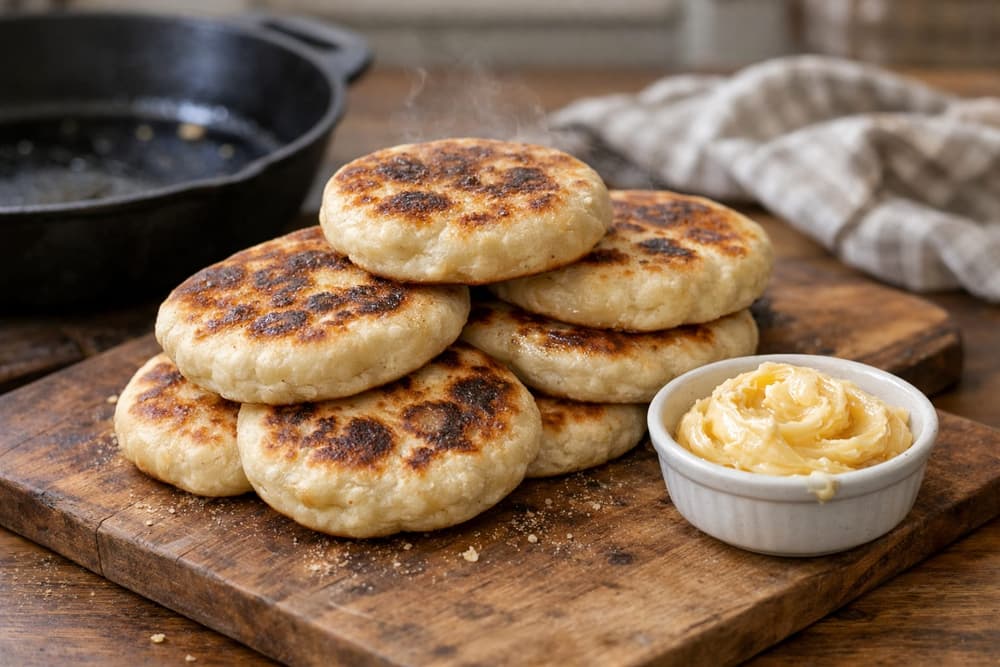
The Outdoor Boys bread: a yeast dough mixed in a zip-top bag, fried in butter as small flatbreads and eaten hot with honey butter. Makes eight.
- Total
- 2 hr 5 min
- Serves
- 8
- Calories (est.)
- 230
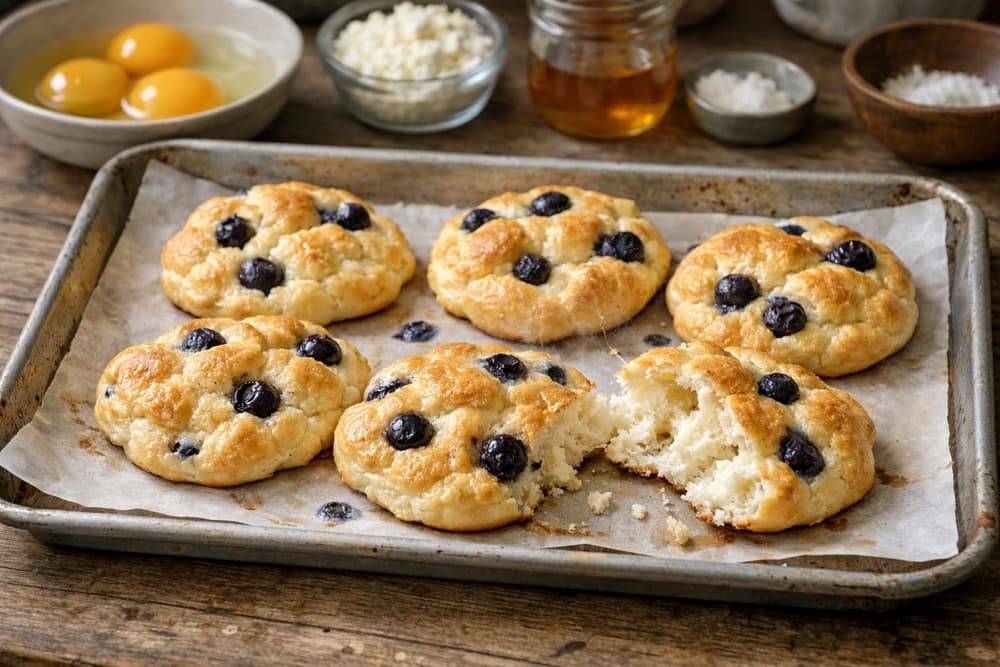
The Outdoor Boys bread is a five-ingredient yeast dough — two cups of bread flour, a packet of yeast, a teaspoon each of salt and sugar, three-quarters of a cup of warm water — mixed in a zip-top bag, left until doubled, then pinched into small discs and fried in butter for two to three minutes a side. It is eaten hot with honey butter, and it makes eight.
Where the Outdoor Boys bread comes from
Outdoor Boys is the YouTube channel of Luke Nichols, an Anchorage-born attorney who filmed camping, fishing and outdoor cooking with his three sons from 2015 until he stepped back from the channel in May 2025. It has more than twenty million subscribers.
The bread is something he makes at camp. The fan-run Outdoor Boys Almanac, which indexes the food in the videos, sums it up in three steps: the dry mix is packed in a zip-top bag at home, water goes into the bag and it rises overnight in a warm part of the tent, and in the morning the dough is fried on a griddle and eaten with honey butter.
The quantities below are the Almanac's, with flour for shaping and butter for the pan added. This is a write-up of that method, not a recipe published by the channel, and MakeFoodLovely is not connected with Outdoor Boys.
Recipe
Outdoor Boys Bread
The camp bread from the Outdoor Boys videos — a yeast dough mixed in a zip-top bag, fried in butter as eight small flatbreads and served with honey butter.
- Prep
- 15 min
- Cook
- 20 min
- Total
- 2 hr 5 min
- Serves
- 8
- Cuisine
- American
Ingredients
- 2 cups (260 g) bread flour
- 1 packet (2 1/4 teaspoons) active dry yeast
- 1 teaspoon salt
- 1 teaspoon granulated sugar
- 3/4 cup (180 ml) warm water
- 2 tablespoons bread flour, for shaping
- 2 tablespoons butter, for frying
- For the honey butter:
- 4 tablespoons butter, softened
- 2 tablespoons honey
Instructions
- Put the flour, yeast, salt and sugar in a gallon zip-top bag, seal it and shake to mix. This can be done at home, days ahead.
- Pour in the warm water (about 110°F, warm to the wrist), press the air out, seal the bag and knead it from the outside for 2 minutes, until no dry flour is left. The dough will be sticky.
- Leave the sealed bag somewhere warm until the dough has doubled: 1 to 2 hours in a warm kitchen, or overnight in a tent or in the refrigerator.
- For the honey butter, mash the softened butter and the honey together with a fork until smooth.
- Heat a large skillet or griddle over medium heat and melt a third of the frying butter in it. With floured fingers, pinch off an eighth of the dough and flatten it into a disc about 1/4 inch thick and 4 inches across. Fill the pan without crowding it.
- Fry for 2 to 3 minutes a side, until puffed and golden brown with darker blisters, and cooked through in the middle. Add more butter to the pan for each batch.
- Eat hot, spread with the honey butter.
Nutrition
- Calories:
- 230
Calculated from the ingredient quantities above using the USDA FoodData Central database, then divided by the number of servings. It is an estimate and will vary with the exact products you use.
Why the bag works
The bag is what makes the bread suit a campsite. The dry ingredients are measured once, at home, and travel sealed. At camp the only thing added is water; the bag is the mixing bowl, and kneading it from the outside keeps the dough off hands that are hard to wash. Sealed, it is also the proofing container: the dough is visible through the plastic, and when it has doubled the bag is puffed tight.
Two minutes of kneading is enough. The dough is wet — about seven parts water to ten of flour by weight — and a wet dough that is left for hours builds its own structure. The water lets the gluten line up without being worked, which is the principle behind no-knead bread.
Frying the Outdoor Boys bread
- Thickness: a quarter inch. Thicker discs brown before the middle is cooked.
- Heat: medium. The butter should foam, not smoke. Over a fire that means a bed of coals rather than flames.
- Butter or oil: the Almanac lists either. Butter browns the bread; oil tolerates a hotter pan.
- Doneness: puffed and golden with darker blisters, and no wet dough when one is torn open.
This is a fried bread, not a baked one. For a flatbread that goes into the oven instead, the Tuscan schiacciata is the one on this site.
The honey butter
Two parts butter to one part honey: four tablespoons of softened butter mashed with two tablespoons of honey until smooth. The butter has to be soft, not melted. Melted butter and honey separate as they cool, while softened butter holds the honey in a spread. With unsalted butter, add 1/8 teaspoon of salt.
It goes on while the bread is hot, so it melts in. The Cajun honey butter sauce is the spiced, pourable relative of this spread.
At home, without a tent
Nothing changes except the clock. In a warm kitchen the dough doubles in one to two hours; a whole packet of yeast is a generous amount for two cups of flour. For bread at breakfast, mix the dough the evening before and leave the bag in the refrigerator overnight. The cold slows the yeast the way a cold night does. A skillet on the stove replaces the griddle on the fire.
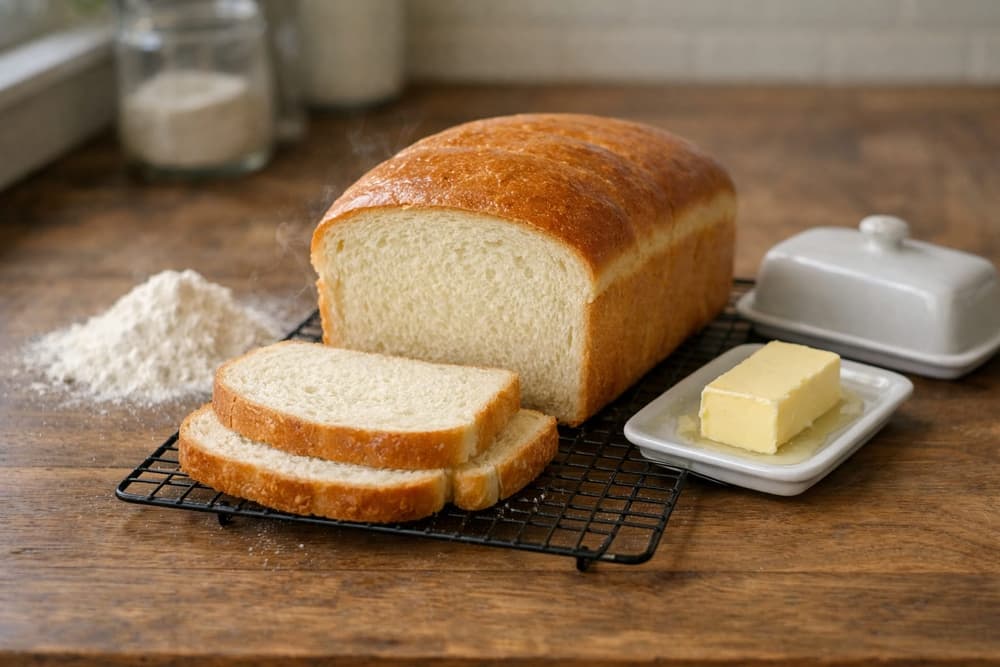
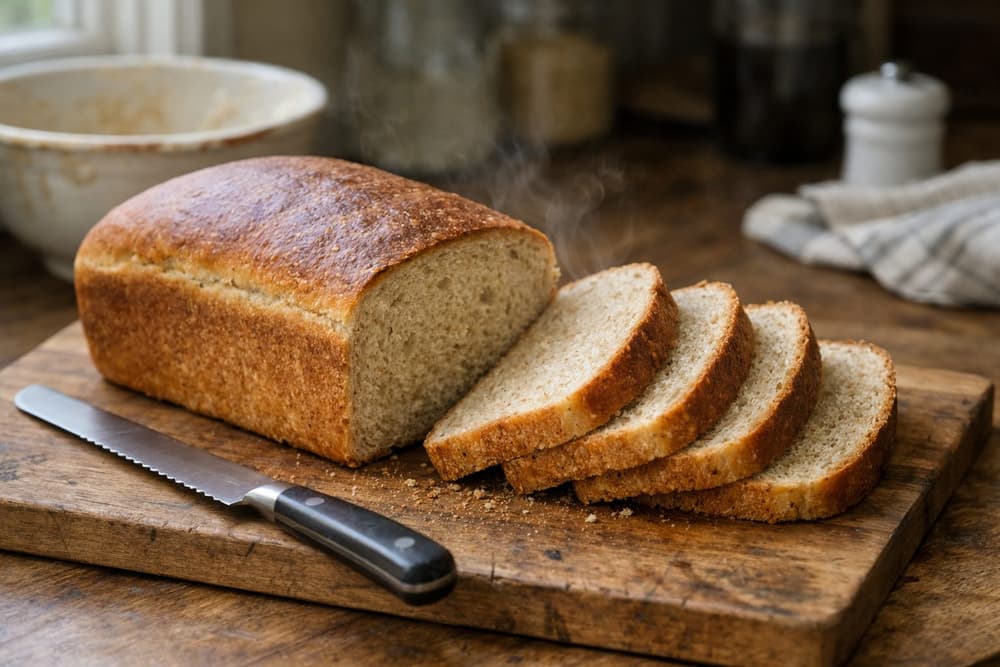
For a loaf rather than flatbreads, the King Arthur white bread is the kneaded classic and the Trader Joe's sourdough is the slow one.
When it goes wrong
- The dough did not rise: the water was too hot or the yeast was old. Yeast works well at about 110°F and dies at around 140°F. Water that feels warm on the wrist, not hot, is right.
- Raw in the middle: the discs were too thick or the pan too hot. Flatten them further and lower the heat.
- Tough and dry: too much flour was worked in while shaping. The dough is meant to be sticky; flour the fingers, not the dough.
Did you make this?
Let others know how it turned out.